
Overactive Bladder (OAB) is a distressing clinical condition characterized by sudden, overwhelming urges to urinate (urgency), frequent trips to the bathroom day and night (frequency and nocturia), and, in many cases, involuntary leakage before reaching the toilet (urgency urinary incontinence). For millions of adults, OAB disrupts sleep, restricts travel, and severely compromises personal and professional confidence.
While conservative measures (pelvic floor physical therapy, fluid management) and first- or second-line medications (anticholinergics, $\beta_3$-adrenergic agonists) help many patients, a significant number suffer from refractory OAB—symptoms that persist or relapse despite standard drug therapy, or cause unbearable medication side effects (such as severe dry mouth, constipation, or cognitive fog).
When oral medications fail, modern reconstructive urology offers advanced, minimally invasive third-line interventions. As a board-certified urologist serving patients across South Florida through his practice at urologistflorida.com, Dr. Mourad Abouelleil provides comprehensive evaluation and advanced procedural care for refractory OAB, specializing in Sacral Neuromodulation (InterStim™ / Axonics®) and Intravesical Botox® Injection Therapy.
The urinary bladder relies on a complex neural reflex loop involving the central nervous system, sacral nerves (S2–S4), and the detrusor muscle of the bladder wall.
[Normal Bladder Storage] ──► Detrusor relaxes while internal sphincter stays closed
│
▼
[OAB / Refractory Urgency] ──► Involuntary detrusor spasms driven by misfiring sacral signals
│
▼
[Third-Line Interventions] ──► Calms muscle contractions (Botox) OR resets neural signals (SNM)
In refractory OAB, the detrusor muscle contracts involuntarily during the storage phase, creating an intense, false perception that the bladder is full. Advanced therapies target either the neurological signalling pathways or the muscular effector organ itself.
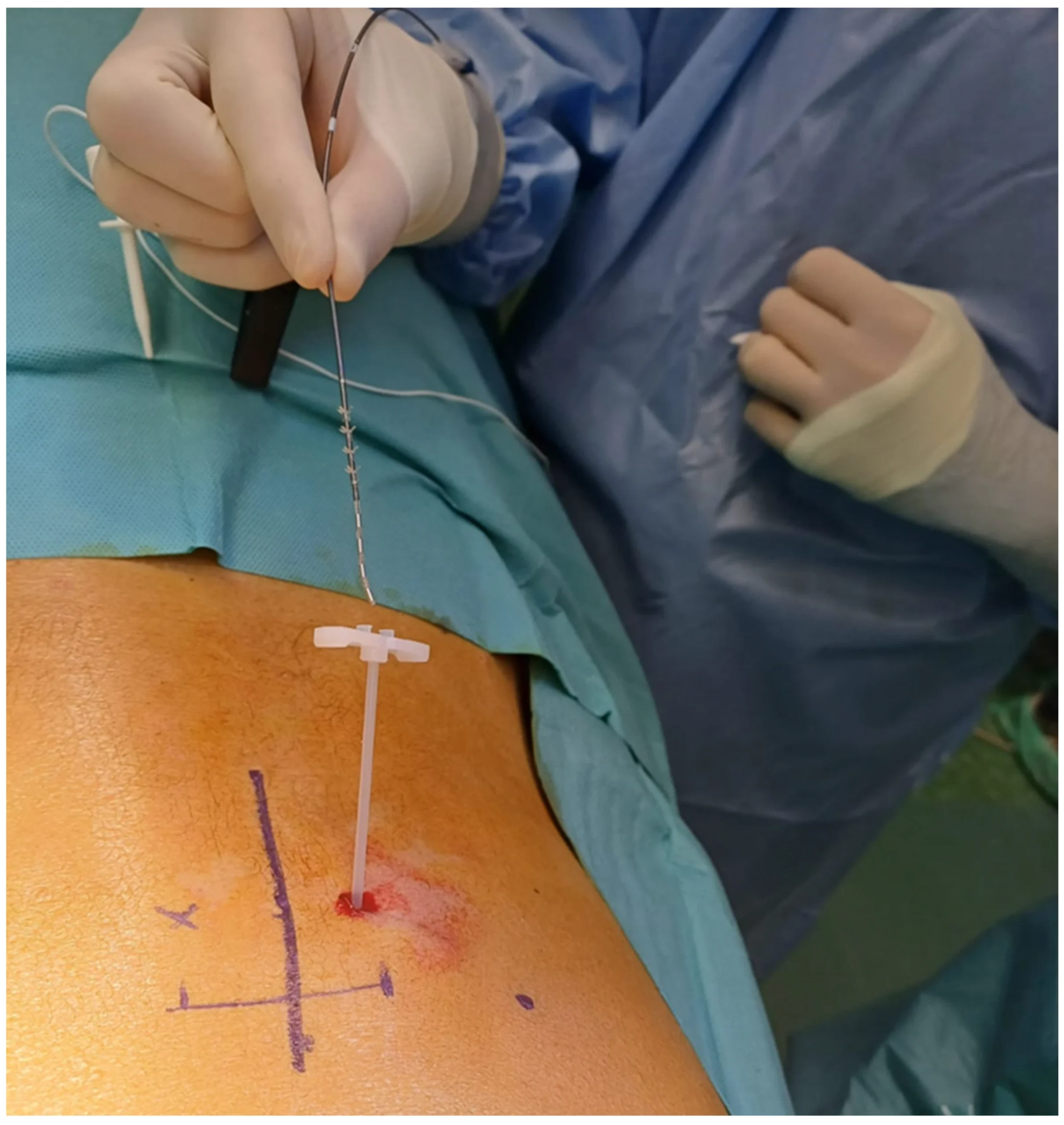
Sacral Neuromodulation (SNM) acts like a “pacemaker for the bladder”. Rather than altering muscle tissue directly, SNM delivers gentle electrical micro-pulses to the S3 sacral nerve root, modulating the abnormal neural signals passing between the brain, spinal cord, and bladder.
[Targeted S3 Sacral Lead Placement] ──► Micro-pulses normalize sacral nerve signaling
│
▼
[Stage 1: 3-to-7 Day Trial Evaluation] ──► Confirms ≥50% symptom reduction before permanent implant
│
▼
[Stage 2: Outpatient Mini-Implant] ──► Delivers long-term, continuous bladder control
For patients seeking a non-implant solution, targeted intramuscular Botox injections directly into the bladder wall offer a highly reliable alternative.
[In-Office Flexible Cystoscopy] ──► 10 to 20 micro-injections into detrusor muscle
│
▼
[Acetylcholine Transmit Block] ──► Relaxes overactive bladder muscle & blocks urge sensations
| Clinical Parameter | Sacral Neuromodulation (SNM) | Intravesical Bladder Botox® |
| Primary Mechanism | Neuro-electrical signal modulation (S3 nerve) | Direct chemical relaxation of detrusor muscle |
| Implant Required? | Yes (subcutaneous micro-rechargeable unit) | No implant required |
| Trial Phase | Mandatory 3-to-7 day test drive | None (direct treatment) |
| Treatment Frequency | Continuous relief (battery life 10–15+ years) | Repeat injections every 6 to 12 months |
| Urinary Retention Risk | Extremely low (< 1%) | Low (~5% potential need for self-catheterization) |
| Fecal Incontinence Impact | FDA-approved for bowel control too | Bladder symptoms only |
Living with refractory overactive bladder or constant fear of urge leakage does not have to be your long-term reality. By evaluating your symptom profile, urodynamic testing, and personal preferences, Dr. Mourad Abouelleil provides tailored third-line treatments—from sacral neuromodulation trial runs to in-office Botox therapy—designed to restore complete bladder confidence and freedom.
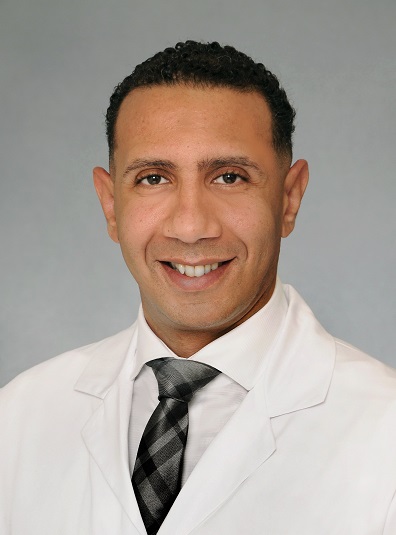
Dr. Mourad Abouelleil is a highly skilled and certified urologist renowned for his commitment to excellence in advanced urological procedures, including robotic prostatectomy and high-intensity focused ultrasound (HIFU). With state-of-the-art technology and extensive experience, Dr. Abouelleil offers personalized treatment plans tailored to meet the unique needs of each patient, ensuring high-quality medical care.
Error: Contact form not found.