
Benign Prostatic Hyperplasia (BPH)—the non-cancerous enlargement of the prostate gland—affects more than half of men in their 60s and up to 90% of men over 80. As the transition zone of the prostate expands, it compresses the prostatic urethra, causing lower urinary tract symptoms (LUTS) such as weak urinary stream, frequent nighttime urination (nocturia), hesitancy, and sudden urinary urgency.
When daily medications such as alpha-blockers and 5-alpha reductase inhibitors fail to provide adequate relief or cause unwanted side effects (including orthostatic hypotension, fatigue, and sexual dysfunction), surgical intervention becomes necessary. For decades, the undisputed gold standard for surgical clearance was Transurethral Resection of the Prostate (TURP). While effective at opening the urinary channel, TURP is an ablative, tissue-cutting operation associated with bleeding risks, hospital stays, catheter dependency, and high rates of sexual side effects—chief among them retrograde ejaculation.
To address these quality-of-life concerns, modern urology introduced the UroLift® System, a minimally invasive mechanical approach known as a Prostatic Urethral Lift (PUL). Rather than cutting, heating, or removing prostate tissue, UroLift uses permanent micro-implants to retract the encroaching lateral lobes, immediately opening the obstructed urethra while preserving sexual and ejaculatory function.
In South Florida, Dr. Mourad Abouelleil is a board-certified urologist with the Palm Beach Health Network Physician Group, practicing at Good Samaritan Medical Center in West Palm Beach and Palm Beach Gardens Medical Center. Having completed his medical education at the University of Wisconsin and comprehensive urology residency training at SUNY Upstate Medical University in Syracuse, New York, Dr. Abouelleil specializes in both resective and non-resective treatments for BPH. By tailoring treatment to prostate volume, lobe morphology, and lifestyle goals, Dr. Abouelleil helps men achieve durable urinary relief while protecting functional quality of life.
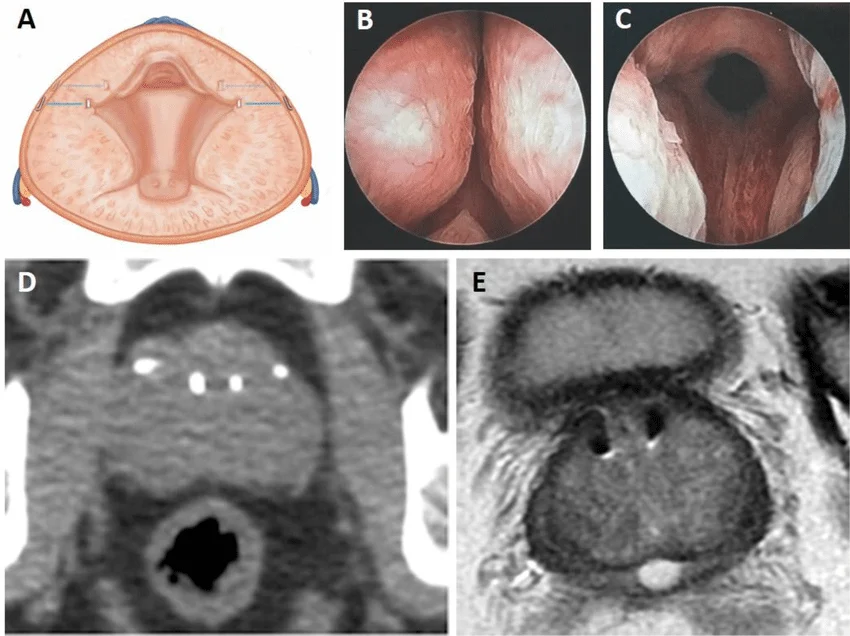
The fundamental difference between the two procedures lies in how they address urethral obstruction:
The most notable difference between UroLift and TURP is their impact on male sexual function:
Normal ejaculation requires an intact bladder neck (internal sphincter) to seal tightly during orgasm, directing semen forward through the penile urethra.
TURP carries a small but documented risk of erectile dysfunction (typically 3% to 5%) due to lateral thermal energy conduction to the adjacent cavernous nerves located just outside the prostatic capsule. UroLift uses zero thermal energy, avoiding nerve-stun injuries entirely.
| Clinical Metric | UroLift® Prostatic Urethral Lift (PUL) | Traditional Monopolar/Bipolar TURP |
| Surgical Principle | Mechanical retraction via micro-implants | Electrosurgical tissue cutting & coring |
| Operative Setting | Office or outpatient surgical center | Hospital operating suite (Inpatient / 23-hr stay) |
| Anesthesia Type | Local anesthesia, sedation, or light MAC | Spinal or full general anesthesia |
| Tissue Removal / Destruction | Zero tissue cut, burned, or vaporized | Extensive transition-zone tissue resected |
| Retrograde Ejaculation Risk | 0% (Preserves normal forward ejaculation) | 65% to 75% permanent dry orgasm |
| Catheter Requirement | Most go home catheter-free ($< 20\%$ need 24h) | Mandatory large 3-way catheter for 1–3 days |
| Recovery to Daily Activity | 2 to 4 days | 3 to 6 weeks |
| Symptom Score Improvement | Rapid relief (~50% IPSS reduction) | Excellent (~60%–70% IPSS reduction) |
| Durability / Re-treatment | ~10% to 14% re-treatment rate over 5 years | ~3% to 5% re-treatment rate over 5 years |
Determining whether a patient is a candidate for UroLift or better served by an ablative procedure like TURP depends heavily on anatomical dimensions assessed via transrectal ultrasound (TRUS) or office cystoscopy:
The differences in tissue trauma between the two approaches directly affect the post-procedure recovery experience:
Relief from an enlarged prostate no longer requires accepting permanent sexual side effects or weeks of recovery. By evaluating prostate volume, median lobe architecture, and patient priorities, Dr. Mourad Abouelleil provides personalized BPH care—offering the minimally invasive UroLift System for men seeking rapid relief and preserved function, alongside definitive electrosurgical resection when anatomy requires broader tissue clearance.
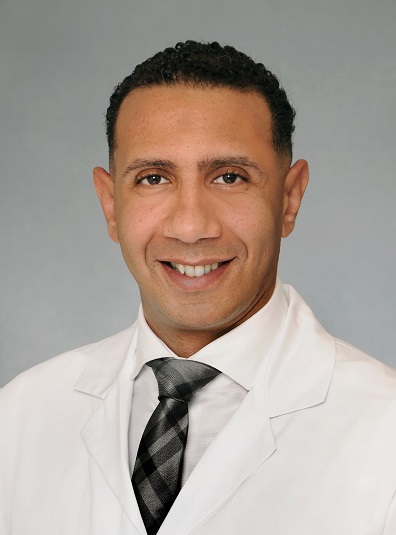
Dr. Mourad Abouelleil is a highly skilled and certified urologist renowned for his commitment to excellence in advanced urological procedures, including robotic prostatectomy and high-intensity focused ultrasound (HIFU). With state-of-the-art technology and extensive experience, Dr. Abouelleil offers personalized treatment plans tailored to meet the unique needs of each patient, ensuring high-quality medical care.
Error: Contact form not found.