
Bladder cancer is the sixth most commonly diagnosed cancer in the United States, with approximately 75% to 80% of newly diagnosed cases classified as Non-Muscle Invasive Bladder Cancer (NMIBC). When a suspicious growth or papillary lesion is identified during diagnostic cystoscopy, the primary operative procedure is a Transurethral Resection of Bladder Tumor (TURBT).
TURBT is not merely a therapeutic excision; it is the definitive staging procedure in urologic oncology. The information obtained from the resected tissue determines the exact pathological depth of tumor penetration, establishes histological grade, and dictates whether the patient can preserve their native bladder or requires radical extirpative surgery. Performing a high-quality resection requires balancing deep muscular sampling to rule out invasive disease with avoiding thermal perforation of the thin, dynamic bladder wall.
In South Florida, Dr. Mourad Abouelleil is a board-certified urologist with the Palm Beach Health Network Physician Group, practicing at Good Samaritan Medical Center in West Palm Beach and Palm Beach Gardens Medical Center. Having earned his medical degree from the University of Wisconsin School of Medicine and Public Health and completed comprehensive urologic surgery residency training at SUNY Upstate Medical University in Syracuse, New York, Dr. Abouelleil utilizes advanced endoscopic resection platforms, bipolar energy, and optical enhancements to provide patients with complete tumor clearance and accurate histopathologic staging.
The bladder wall consists of distinct structural layers. Accurate management hinges on determining how deeply malignant cells have invaded into these strata:

The clinical benchmark of an oncologically adequate TURBT is the presence of muscularis propria (detrusor muscle) in the pathologic specimen.
If a resected specimen contains only tumor and lamina propria without underlying detrusor muscle, the true depth of invasion cannot be confirmed pathologically. Up to 30% to 40% of patients with an apparent “T1” tumor who lack muscle in their initial biopsy are found to harbor muscle-invasive disease (T2) upon restaging.
Dr. Abouelleil adheres to structured resection protocols that deliberately sample the tumor base down through the superficial detrusor fibers, ensuring the pathologist can definitively certify whether the tumor is non-muscle invasive or muscle-invasive.
TURBT is performed as an outpatient procedure under general or spinal anesthesia via the urethra:
Traditional monopolar resectoscopes require non-conductive irrigation fluid (such as glycine or sorbitol), which carries risks of electrolyte imbalances and TUR syndrome (dilutional hyponatremia). Dr. Abouelleil favors bipolar electrosurgical resection, which operates within physiological normal saline irrigation:
| Surgical Metric | Superficial “Shaving” Resection | Comprehensive Staging TURBT (Dr. Abouelleil) |
| Surgical Goal | Macroscopic visual clearance | Complete tumor clearance + detrusor muscle staging |
| Specimen Architecture | Single, fragmented mixture | Fractionated (Bulk vs. Deep Detrusor Base) |
| Irrigation Fluid | Non-conductive glycine (Monopolar) | Physiological saline (Bipolar platform) |
| Under-Staging Risk | High ($30\%\text{–}40\%$ missed muscle invasion) | Minimized through deliberate muscular sampling |
| Immediate Adjuvant Chemo | Often withheld or delayed | Immediate post-op intravesical instillation (Gemcitabine) |
| Need for Repeat TURBT | Unplanned repeat due to missing muscle | Standardized restaging for high-risk T1/HG disease |
Following resection of suspected low- or intermediate-grade papillary tumors, cancer cells float within the bladder irrigation fluid and can re-implant into raw resection margins.
To prevent early tumor recurrence, Dr. Abouelleil administers immediate single-dose intravesical chemotherapy (typically Gemcitabine) into the bladder via catheter within 2 to 24 hours of surgery. The drug is retained in the bladder for one hour to destroy circulating malignant cells and sterilize microscopic resection edges, reducing the relative risk of recurrence by up to 35%.
According to American Urological Association (AUA) and European Association of Urology (EAU) guidelines, a second-look TURBT (Re-TURBT) performed within 2 to 6 weeks is mandatory in specific scenarios:
Once definitive staging is confirmed, non-muscle invasive bladder cancer requires risk-adapted management to prevent recurrence and progression:
Transurethral Resection of Bladder Tumors is a precise procedure that sets the clinical course for all subsequent bladder cancer care. Through bipolar resection techniques, deliberate detrusor muscle sampling, and immediate adjuvant therapies, Dr. Mourad Abouelleil provides patients with accurate staging and comprehensive non-muscle invasive cancer management.
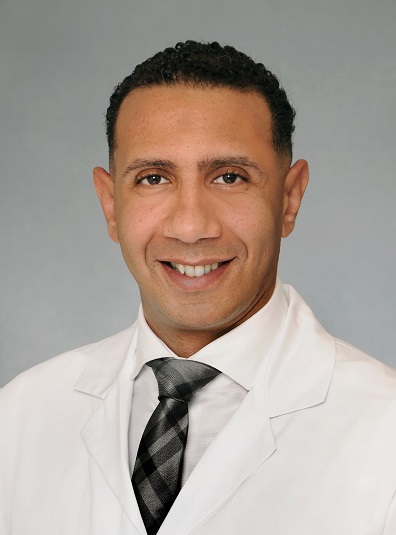
Dr. Mourad Abouelleil is a highly skilled and certified urologist renowned for his commitment to excellence in advanced urological procedures, including robotic prostatectomy and high-intensity focused ultrasound (HIFU). With state-of-the-art technology and extensive experience, Dr. Abouelleil offers personalized treatment plans tailored to meet the unique needs of each patient, ensuring high-quality medical care.
Error: Contact form not found.