
A kidney stone attack is widely considered one of the most painful acute medical emergencies a person can experience. While smaller stones may eventually pass spontaneously with hydration and pain management, larger, complex, or staghorn calculi can completely block the urinary tract, cause severe kidney infections (pyelonephritis), or lead to permanent renal scarring if left untreated.
At Good Samaritan Medical Center and Palm Beach Gardens Medical Center, board-certified urologist Dr. Mourad Abouelleil offers full-spectrum, minimally invasive kidney stone management. From non-invasive Extracorporeal Shock Wave Lithotripsy (ESWL) for smaller stones to advanced Percutaneous Nephrolithotomy (PCNL) for massive or complex stone burdens, Dr. Abouelleil customizes each surgical intervention to rapidly clear obstruction and protect kidney function.
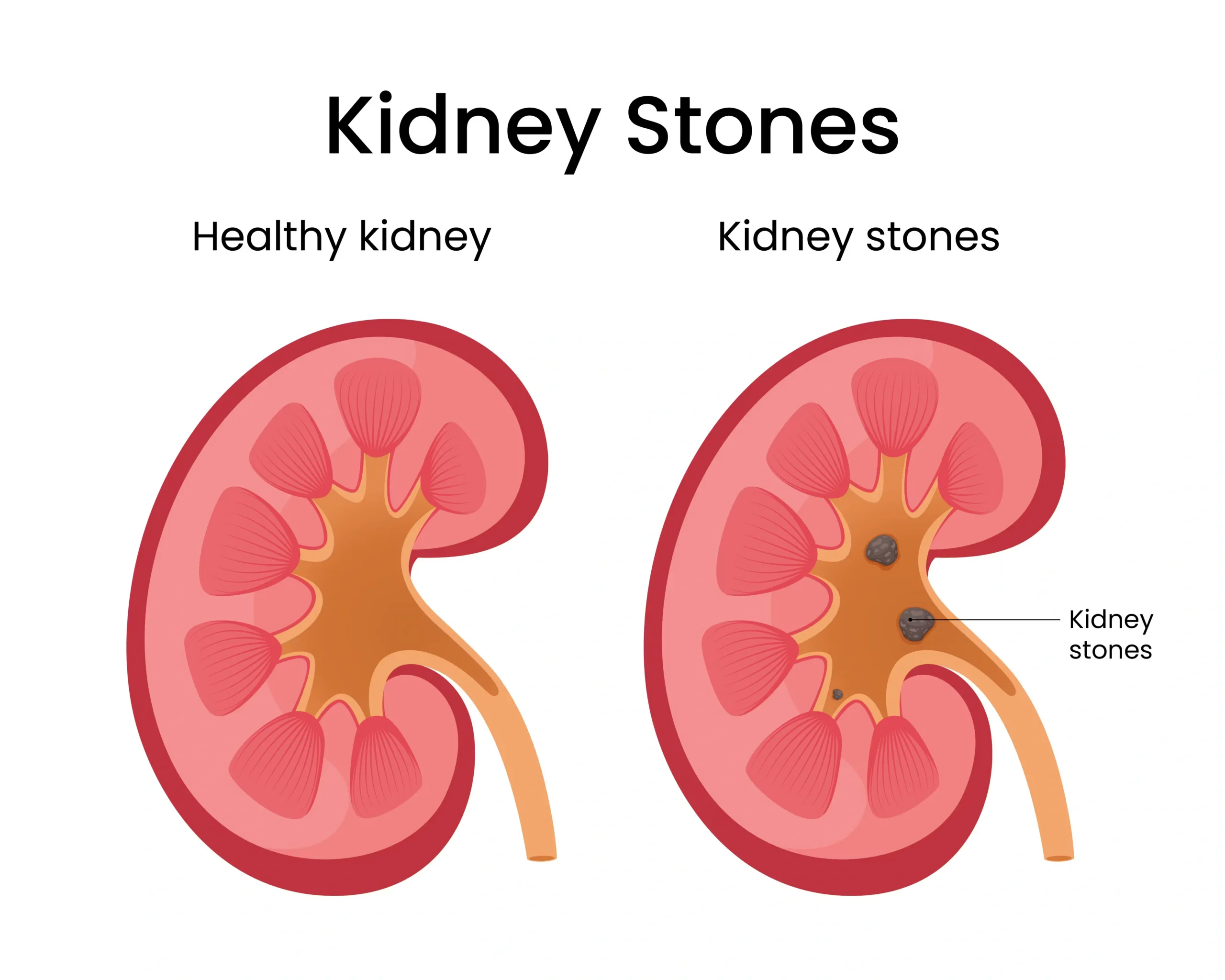
Kidney stones (nephrolithiasis) form when urine becomes overly concentrated with minerals such as calcium, oxalate, and uric acid, causing them to crystallize and solidify. Treatment selection depends heavily on stone size, location, density, and patient anatomy:
[Small Stones (<5–8mm)] ──► Conservative trial of passage or ESWL (Shockwave)
│
[Medium Stones (8mm–1.5cm)] ──► Ureteroscopy (URS) + Laser Fragmenting
│
[Large / Complex (>2cm)] ──► Percutaneous Nephrolithotomy (PCNL)
For smaller, uncomplicated stones located in the upper kidney or proximal ureter, ESWL provides a completely non-invasive option:
When stones become lodged in the ureter or are resistant to shockwaves, ureteroscopy offers direct visualization and fragmentation:
When kidney stones exceed 2 centimeters, fill multiple calyces of the kidney (staghorn stones), or fail prior lithotripsy, traditional scoping is inefficient. For these severe cases, Dr. Abouelleil performs Percutaneous Nephrolithotomy (PCNL):
| Treatment Option | Extracorporeal Shock Wave (ESWL) | Ureteroscopy (URS) + Laser | Percutaneous Nephrolithotomy (PCNL) |
| Incision Profile | None (External sound waves) | None (Transurethral access) | Single ~1 cm keyhole in the back |
| Ideal Stone Size | Small (<8–10 mm) | Small to Medium (5 mm–1.5 cm) | Large / Complex (>2 cm / Staghorn) |
| Anesthesia Type | Outpatient light sedation / general | Outpatient general anesthesia | General anesthesia (Short hospital stay) |
| Stone Clearance Rate | Moderate (depends on stone density) | Very High | Highest for massive stone burdens |
| Recovery Window | 1 to 2 days | 2 to 4 days | 1 week to light activities |
Clearing an active stone is only half the clinical battle; without preventative interventions, up to 50% of stone formers will develop another stone within five years. Following surgical clearance, Dr. Abouelleil conducts a comprehensive metabolic workup to identify underlying stone drivers:
Whether you are dealing with an acute, agonizing kidney stone or managing a large, complex renal calculus, you do not have to endure prolonged pain or risk kidney damage. At Good Samaritan Medical Center and Palm Beach Gardens Medical Center, Dr. Mourad Abouelleil provides Palm Beach County patients with advanced, minimally invasive stone relief tailored to their precise anatomical needs.
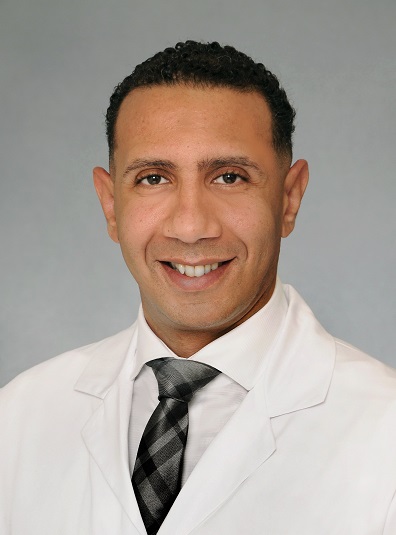
Dr. Mourad Abouelleil is a highly skilled and certified urologist renowned for his commitment to excellence in advanced urological procedures, including robotic prostatectomy and high-intensity focused ultrasound (HIFU). With state-of-the-art technology and extensive experience, Dr. Abouelleil offers personalized treatment plans tailored to meet the unique needs of each patient, ensuring high-quality medical care.
Error: Contact form not found.