

Are you experiencing swelling in the scrotum or discomfort in the testicles? It might be a hydrocele, which is a condition in which fluid collects around the testicle. While it is usually painless, persistent swelling can be concerning and may require medical attention. Here, we will provide everything you need to know about hydrocele, its treatment procedure, diagnosis, symptoms, and cost. Dr. Mourad Abouelleil is a skilled urologist who has expertise in performing treatments, including hydrocele.
Hydrocele, a condition in which, due to a fluid buildup in the thin sac surrounding the testicles, painless swelling is caused in the scrotum. This condition is often harmless and may resolve on its own, especially in infants. But in some cases, hydrocele can lead to discomfort and require surgical intervention.
Here are some causes and risk factors of Hydrocele, which include the following:
Common symptoms of hydrocele include the following:
Through a combination of a physical examination and imaging tests such as ultrasound, a hydrocele is typically diagnosed. Here is the complete diagnosis process, which includes:
Here are some key differences between hydrocele and other scrotal conditions:
| Condition | Main Feature | Pain Level | Common Age Group | Treatment | Urgency |
| Hydrocele | Fluid around testicle | Usually painless | Infants, older men | Observation/Surgery | Low |
| Varicocele | Enlarged scrotal veins | Dull ache | Teens, young adults | Surgery if needed | Moderate |
| Hernia | Intestinal bulge in scrotum | Mild to moderate | All ages | Surgical repair | Moderate–High |
| Torsion | Twisted spermatic cord | Sudden, severe | Adolescents | Emergency surgery | High (urgent) |
| Epididymitis | Infection behind testicle | Moderate–severe | Sexually active men | Antibiotics | Moderate |
Depending on the cause of hydrocele and its severity, treatment options are provided, such as:
Aspiration and Sclerotherapy: This treatment option is less commonly used and can cause infection and recurrence. In this procedure, a needle drains the fluid to prevent recurrence.
Hydrocelectomy (Surgery): This treatment procedure is the most effective solution. Depending on the patient’s needs and the severity of the condition, specialists determine whether an individual needs open or minimally invasive hydrocelectomies.
In infant and mild adult cases, if the condition is asymptomatic, then observation is all that is needed.
After surgical treatment of Hydrocele, most of the patients recover quickly:
Pain Management: With specific medication, mild pain and discomfort can be managed.
Avoid Certain Activities: Strenuous activities and heavy lifting should be avoided for a few weeks.
Follow-Up: To monitor the healing process and prevent recurrence, regular follow-up appointments are crucial.
Dr. Abouelleil provides personalized post-operative medical care and support for a smooth and faster recovery.
You should consult a urologist if you experience signs such as:
If you experience any of these signs, you should immediately seek attention because delay may leads to further complications or serious issues.
The average cost of hydrocelectomy typically ranges from around $5,247 to $7,819, but it may vary widely. There are a variety of factors that affect the cost of hydrocele diagnosis and treatment.
Dr. Abouelleil is a highly skilled and experienced urologist who has expertise in treating numerous conditions, including hydrocele. Here are some key reasons to choose Dr. Mourad Abouelleil for hydrocele treatment, including:
Are you curious to learn more about hydrocele or seeking expert treatment? Schedule a consultation with Dr. Abouelleil through the given contact details:
Dr. Mourad Abouelleil, MD
Phone Number: (561) 291-7182
Address: Palm Beach Health Network Physician Group 1411 North Flagler Drive, Suite #3800 West Palm Beach, FL 33401
Answer. After hydrocele surgery, most of the patients typically take 1 to 2 weeks to recover. Within 3 to 4 weeks, patients can return to their regular and physical activities, depending on the case.
Answer. Although hydrocele surgery, hydrocelectomy, is typically safe, like any other surgery, it also carries risks such as infection, bleeding, recurrence, or fluid buildup.
Answer. To confirm the presence of a hydrocele, a diagnostic test called scrotal ultrasound is typically performed. Additionally, physical examinations such as transillumination can suggest a hydrocele.
Answer. Patients are often advised to avoid heavy lifting, sexual activity, and strenuous activities for at least 2 to 3 weeks.
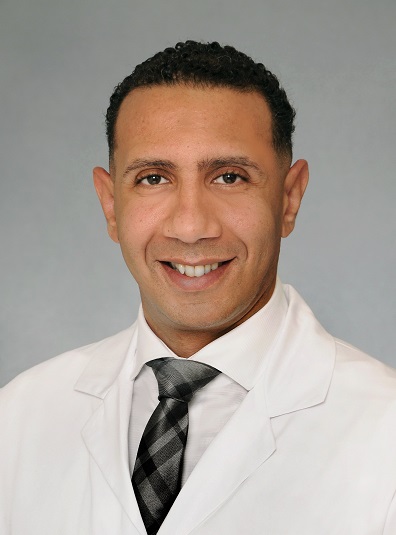
Dr. Mourad Abouelleil is a highly skilled and certified urologist renowned for his commitment to excellence in advanced urological procedures, including robotic prostatectomy and high-intensity focused ultrasound (HIFU). With state-of-the-art technology and extensive experience, Dr. Abouelleil offers personalized treatment plans tailored to meet the unique needs of each patient, ensuring high-quality medical care.
Error: Contact form not found.