
Male reproductive health plays a fundamental role in family planning, whether couples are seeking permanent, hassle-free contraception or attempting to restore fertility after life circumstances change. Among the most reliable solutions available today are No-Scalpel Vasectomy (NSV)—the gold standard for permanent male sterilization—and Microsurgical Vasectomy Reversal, a highly precise procedure that reconnects the reproductive pathways.
Advancements in refined surgical techniques, micro-instruments, and local anesthesia protocols allow both procedures to be performed efficiently in an outpatient setting, minimizing downtime and maximizing patient comfort and success rates.
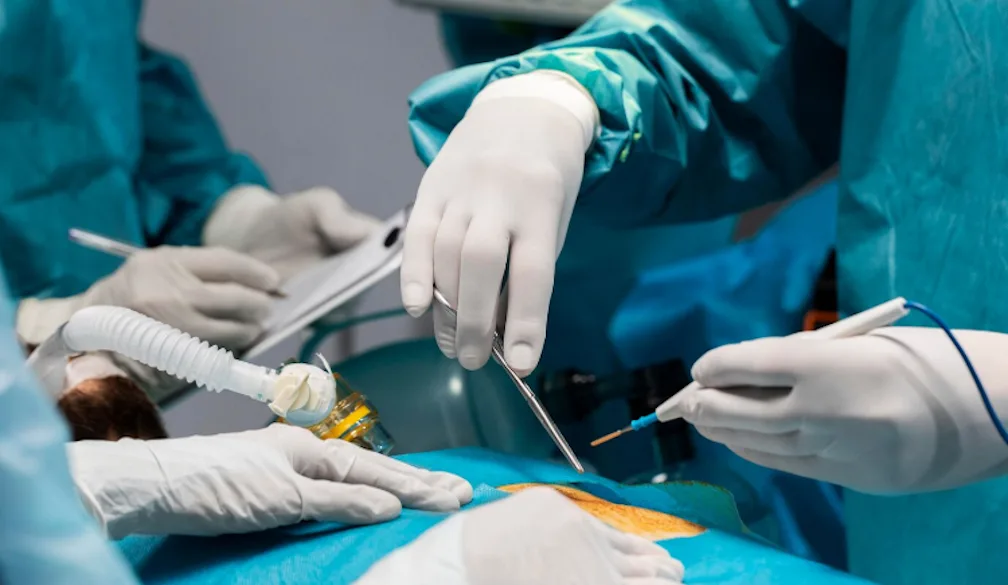
Traditional vasectomy methods required small incisions made with a scalpel on both sides of the scrotum. In contrast, the No-Scalpel Vasectomy (NSV) technique utilizes specialized instruments to access the vas deferens tubes through a single tiny puncture, significantly reducing tissue trauma.
[Local Numbing] ──► Puncture Access (<3mm) ──► Vas Occlusion ──► Natural Stitch-Free Healing
When life plans evolve, modern microsurgery offers men a path toward restoring natural fertility. A vasectomy reversal is a delicate operation that reconnects the previously divided vas deferens channels under high-power surgical magnification.
Depending on intraoperative findings and the quality of fluid extracted from the testicular end of the vas deferens, two distinct microsurgical techniques are utilized:
┌──► Vasovasostomy (Direct lumen-to-lumen reconnection)
│ ──► Used when fluid contains healthy, viable sperm
[VAS-REVERSAL MICROSURGERY] ──────┤
└──► Vasoepididymostomy (Vas deferens attached to epididymis)
──► Used when secondary blockage is detected in epididymis
If clear fluid containing intact sperm is present upon opening the testicular side of the vas deferens, a direct vasovasostomy is performed. Using ultra-fine sutures (thinner than a human hair), the inner lumen and outer muscular layers of the vas deferens are precisely re-aligned in two layers to re-establish fluid flow.
If long-standing pressure has caused a micro-rupture or blockage in the epididymis (the delicate coil where sperm matures), a vasoepididymostomy is required. The vas deferens is connected directly to a specific tubule in the epididymis, bypassing the blockage.
| Clinical Metric | No-Scalpel Vasectomy (NSV) | Microsurgical Vasectomy Reversal |
| Primary Goal | Permanent contraception | Fertility restoration |
| Procedure Duration | 15 to 20 minutes | 2 to 3.5 hours |
| Anesthesia Type | Local anesthesia | Twilight sedation / General anesthesia |
| Outpatient Setting | In-office suite | Outpatient surgical center |
| Time to Full Activity | 2 to 3 days | 1 to 2 weeks |
| Efficacy Profile | > 99% contraceptive reliability | 80%–95% patency rate (VV) |
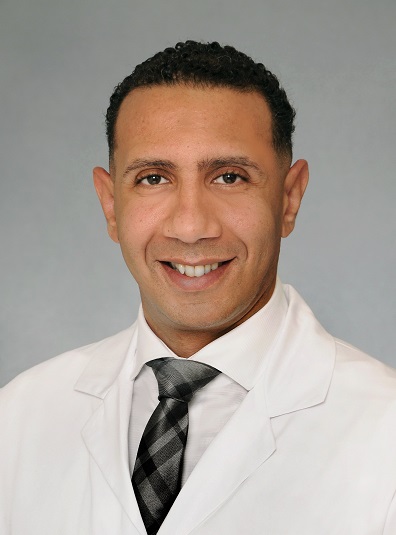
Dr. Mourad Abouelleil is a highly skilled and certified urologist renowned for his commitment to excellence in advanced urological procedures, including robotic prostatectomy and high-intensity focused ultrasound (HIFU). With state-of-the-art technology and extensive experience, Dr. Abouelleil offers personalized treatment plans tailored to meet the unique needs of each patient, ensuring high-quality medical care.
Error: Contact form not found.