

For a lot of men, prostate health isn’t something they think about until a problem forces the issue. And for most, that moment tends to happen after 40. Not because something suddenly “goes wrong” at that age, but because the prostate naturally changes over time—and those changes can start to affect everyday life in ways that are easy to brush off at first.
At Dr. Mourad Abouelleil’s urology practice in Florida, many patients say the same thing during their first visit: “I thought this was just part of getting older.” Sometimes it is. Sometimes it isn’t. Knowing the difference matters.
This guide breaks down what men over 40 should realistically know about prostate health, what symptoms are worth paying attention to, and when it makes sense to get checked.
The prostate is a small gland, but it plays a big role in urinary and sexual function. As men age, the prostate often grows. This growth is usually benign, but it can still cause noticeable symptoms.
After 40, the risk of prostate-related conditions begins to increase, including:
Most of these conditions start slowly. That’s why they’re easy to ignore early on.
One of the biggest issues Dr. Abouelleil sees is delayed care. Men often wait years before bringing symptoms up because they don’t seem serious at first.
Some of the most common signs include:
These symptoms don’t automatically mean cancer. In fact, most of the time they don’t. But they do mean the prostate deserves attention.
This is where a lot of anxiety comes in. Urinary symptoms often make men worry about cancer, even though the most common cause is BPH.
BPH (Enlarged Prostate):
Prostate Cancer:
The only way to tell the difference is proper evaluation. Guessing doesn’t help.
Prostate screening isn’t one-size-fits-all. Dr. Abouelleil takes into account age, family history, symptoms, and overall health before recommending testing.
Screening may include:
For some men, baseline screening in their 40s makes sense. For others, monitoring symptoms is enough initially. The key is having the conversation early—not after problems start interfering with daily life.
Many men assume urinary changes are just part of aging and something they have to live with. Others avoid appointments because they’re worried about invasive tests or worst-case diagnoses.
In reality, early evaluation often leads to:
Waiting rarely improves the situation.
Dr. Abouelleil focuses on practical, patient-centered urology care. That means listening closely to symptoms, explaining options clearly, and avoiding unnecessary treatment when it isn’t needed.
Patients often appreciate that visits are not rushed and that recommendations are based on what’s appropriate for them, not just age or lab numbers.
The goal isn’t just treating disease—it’s preserving comfort, function, and long-term health.
A typical visit includes:
Men usually leave with clarity, not confusion.
Most men should start paying attention in their 40s, especially if symptoms appear or there’s a family history of prostate issues.
No. Most urinary symptoms are caused by benign prostate enlargement, not cancer.
Not always. The decision depends on age, risk factors, and symptoms.
Yes. Both prostate conditions and some treatments can impact sexual health, which is why individualized care matters.
No. Early evaluation usually means more options and less aggressive treatment.
Prostate changes after 40 are common. Suffering through symptoms doesn’t have to be. Getting checked early can prevent years of discomfort and unnecessary worry.
If you’re noticing changes—or just want clarity—it may be time to talk to a urologist who takes prostate health seriously.
Scheduling a consultation is often the first step toward answers—and relief.
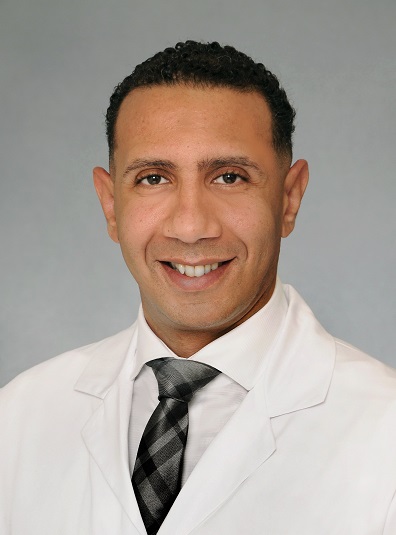
Dr. Mourad Abouelleil is a highly skilled and certified urologist renowned for his commitment to excellence in advanced urological procedures, including robotic prostatectomy and high-intensity focused ultrasound (HIFU). With state-of-the-art technology and extensive experience, Dr. Abouelleil offers personalized treatment plans tailored to meet the unique needs of each patient, ensuring high-quality medical care.
Error: Contact form not found.