
Discovering a mass or tumor on your kidney during a routine CT scan or ultrasound can instantly trigger anxiety. For decades, the standard surgical response to a suspected kidney malignancy was a complete removal of the organ—a total (radical) nephrectomy. While this guaranteed tumor removal, it frequently left patients with reduced overall renal capacity, elevating their long-term risk for chronic kidney disease (CKD), cardiovascular complications, and premature reliance on dialysis.
Modern urologic oncology has shifted toward organ preservation whenever clinically feasible. At Good Samaritan Medical Center in West Palm Beach and Palm Beach Gardens Medical Center, board-certified urologist Dr. Mourad Abouelleil utilizes advanced Robotic Partial Nephrectomy (RAPN). By excising the mass with millimeter precision while saving the surrounding healthy kidney tissue, Dr. Abouelleil provides patients across Palm Beach County with optimal oncological control alongside long-term renal preservation.
The human body is equipped with two kidneys, but conserving every possible nephron (the functional filtering units of the kidney) is vital for lifelong health.
[Radical Nephrectomy] ──> Removes entire kidney ──> High loss of nephrons ──> Risk of CKD & cardiac events
VS.
[Partial Nephrectomy] ──> Removes tumor only ──> Max nephron preservation ──> Stable baseline renal function
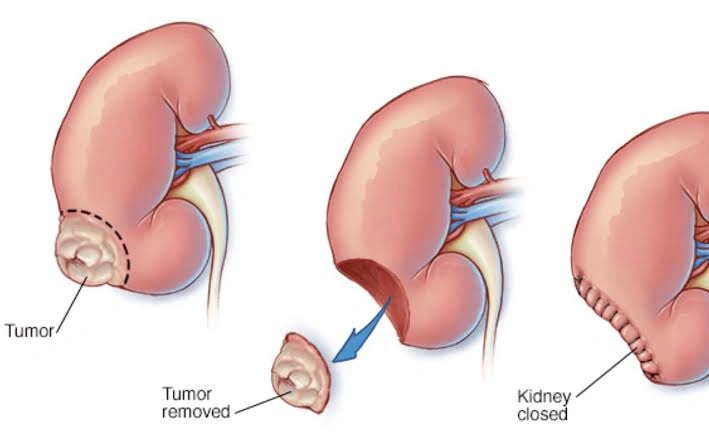
Removing a tumor while saving the rest of the kidney is a delicate, high-stakes operation. The surgeon must excise the lesion, seal severed blood vessels to prevent hemorrhage, and reconstruct the renal collecting system—all while minimizing the time blood flow to the organ is temporarily paused (ischemia time).
Utilizing the da Vinci® Robotic Surgical System, Dr. Mourad Abouelleil executes these complex steps with unmatched visual and physical precision:
| Clinical Metric | Traditional Open Partial Surgery | Dr. Abouelleil Robotic Partial Nephrectomy |
| Incision Profile | Large 8–12 inch flank incision cutting muscle | 4 to 5 keyhole ports (1–2 cm each) |
| Tissue Preservation | High; but requires significant muscle recovery | High nephron preservation with minimal trauma |
| Post-Op Pain | High; requires extended intravenous pain meds | Substantially lower; managed with minimal medication |
| Hospital Stay | 4 to 7 days | Typically 24 to 48 hours |
| Recovery Window | 6 to 8 weeks for full activity | Rapid return to normal routines in 2 to 3 weeks |
While robotic partial nephrectomy is the gold standard for small, localized renal masses (Stage T1a/T1b), candidacy depends on the tumor’s precise location within the kidney. Exophytic tumors (resting on the outer surface of the kidney) are ideal candidates, while deep, central (endophytic) masses located near the main vascular hilar structures require meticulous 3D image analysis to determine if partial excision is technically safe.
A kidney tumor diagnosis requires a balanced approach that eliminates the disease without compromising your future metabolic health. Recognized as a Top Doctor in Florida for Robotic and Urologic Surgery, Dr. Mourad Abouelleil delivers advanced, organ-sparing robotic care across Palm Beach County.
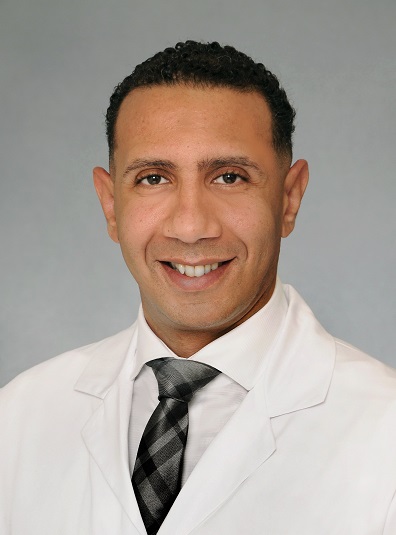
Dr. Mourad Abouelleil is a highly skilled and certified urologist renowned for his commitment to excellence in advanced urological procedures, including robotic prostatectomy and high-intensity focused ultrasound (HIFU). With state-of-the-art technology and extensive experience, Dr. Abouelleil offers personalized treatment plans tailored to meet the unique needs of each patient, ensuring high-quality medical care.
Error: Contact form not found.