
A sudden onset of testicular pain or the unexpected discovery of a scrotal mass can cause significant anxiety. Scrotal and testicular pathologies span a broad spectrum—ranging from benign fluid collections and inflammatory conditions to surgical emergencies like testicular torsion and aggressive malignancies such as testicular germ cell tumors.
Because the scrotum houses delicate vascular, reproductive, and endocrine structures, delayed diagnosis can lead to permanent ischemic tissue loss, impaired fertility, or the progression of an undetected cancer. Establishing a clear, evidence-based diagnostic framework is essential for triaging acute pain versus painless masses, ensuring timely intervention and optimal clinical outcomes.
As a board-certified urologist serving patients across South Florida through his practice at urologistflorida.com, Dr. Mourad Abouelleil implements rigorous diagnostic protocols and advanced surgical solutions to evaluate scrotal conditions, protect fertility, and deliver definitive care for testicular cancer.
When evaluating scrotal complaints, the clinical pathway branches immediately based on the presentation of acute pain versus a painless mass:
[SCROTAL EVALUATION]
│
├─► ACUTE PAIN / SWELLING
│ ├─► Absent Cremasteric Reflex + High-Riding Testis ──► Suspect TESTICULAR TORSION (Emergency)
│ └─► Positive Prehn’s Sign + Intact Reflex ──► Suspect EPIDIDYMO-ORCHITIS (Infectious)
│
└─► PAINLESS MASS / ENLARGEMENT
├─► Intratesticular Solid Mass (Echo-poor on US) ──► Suspect TESTICULAR CANCER (Malignant)
└─► Extratesticular Cystic/Vascular Mass ──► Suspect HYDROCELE / VARICOCELE (Benign)
Acute scrotal pain requires rapid differential diagnosis to rule out testicular torsion—a surgical emergency with a narrow 6-hour window for testicular salvage.
[Acute Pain Onset] ──► Color Doppler Ultrasound Evaluation ──► Surgical Exploration OR Antibiotic Protocol
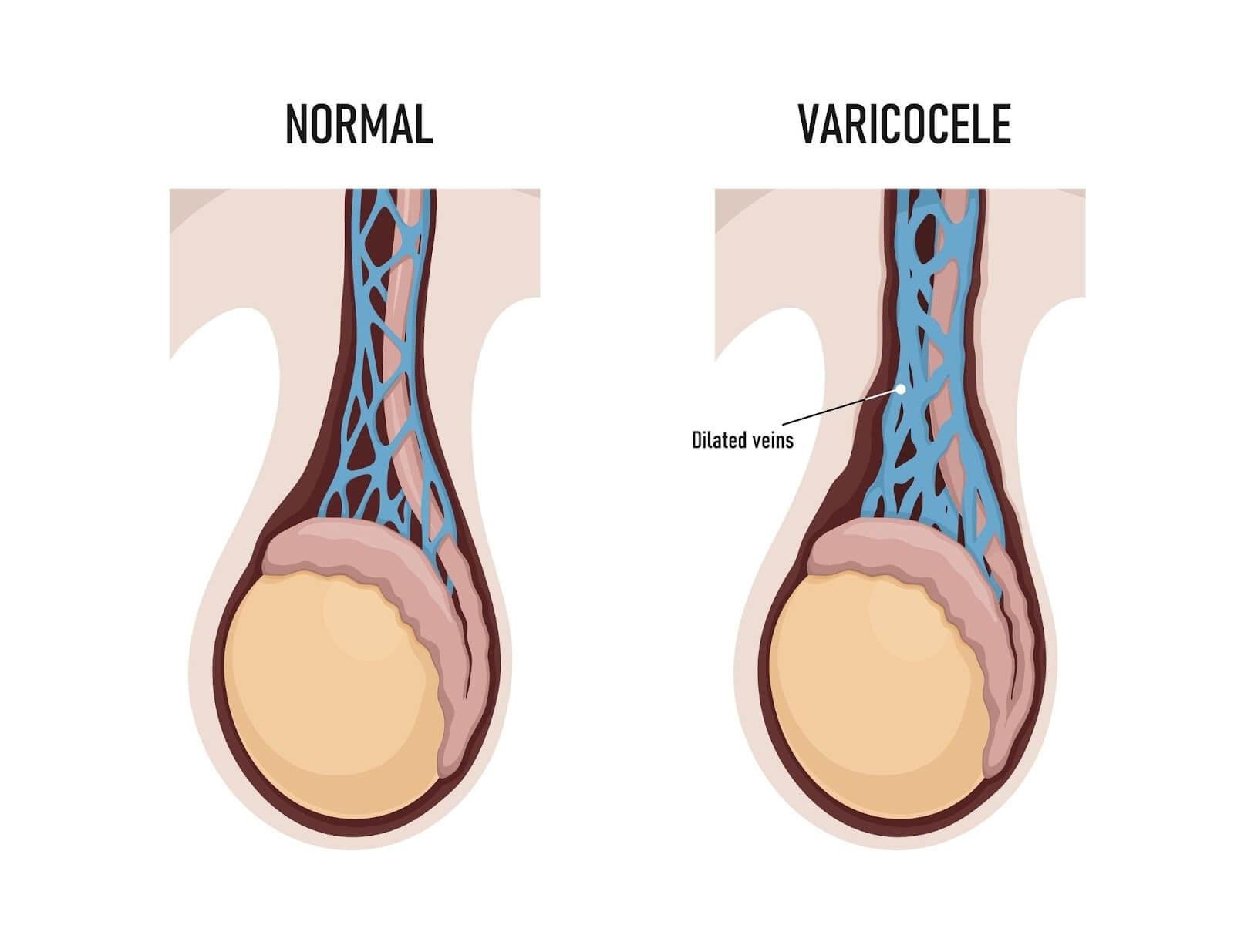
When evaluating a scrotal mass, the primary objective is distinguishing intratesticular lesions (which carry a high probability of malignancy) from extratesticular lesions (which are predominantly benign).
[Scrotal Mass Identified] ──► High-Resolution Ultrasound ──► Intratesticular (Malignant Workup)
└──► Extratesticular (Conservative / Repair)
Most solid intratesticular masses in adult men represent Germ Cell Tumors (GCTs), categorized as Seminomas or Non-Seminomatous Germ Cell Tumors (NSGCTs).
| Condition | Primary Location | Pain Characteristics | Ultrasound Findings | Initial Clinical Action |
| Testicular Torsion | Intratesticular / Cord | Sudden, severe, constant | Absent or diminished arterial flow | Immediate emergency surgical exploration |
| Epididymo-Orchitis | Extratesticular / Mixed | Gradual, aching, fever | Hypervascularity & tissue edema | Targeted antibiotic therapy & rest |
| Testicular Cancer | Intratesticular | Painless firm lump | Solid, hypoechoic intra-parenchymal mass | Tumor markers & Radical Inguinal Orchiectomy |
| Hydrocele | Extratesticular Space | Painless heavy sensation | Anechoic fluid surrounding testis | Observation or Hydrocelectomy |
| Varicocele | Spermatic Cord Veins | Dull ache with standing | Dilated, tortuous veins (> 3 mm) with reflux | Observation or Varicocelectomy for fertility/pain |
Whether dealing with acute scrotal pain, a newly discovered mass, or concerns regarding male reproductive health, timely evaluation ensures peace of mind and preserves long-term testicular function. Through accurate Doppler ultrasound imaging, evidence-based risk stratification, and modern surgical care, Dr. Mourad Abouelleil offers comprehensive men’s health solutions tailored to each patient.
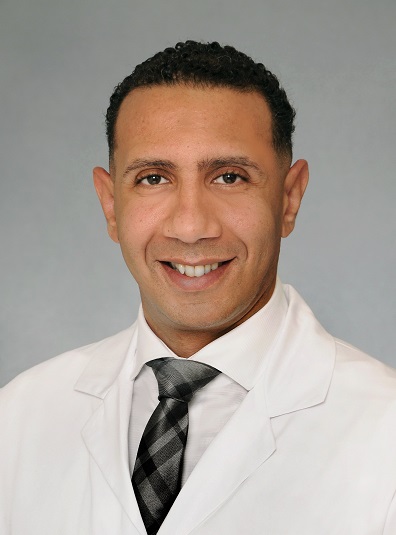
Dr. Mourad Abouelleil is a highly skilled and certified urologist renowned for his commitment to excellence in advanced urological procedures, including robotic prostatectomy and high-intensity focused ultrasound (HIFU). With state-of-the-art technology and extensive experience, Dr. Abouelleil offers personalized treatment plans tailored to meet the unique needs of each patient, ensuring high-quality medical care.
Error: Contact form not found.