
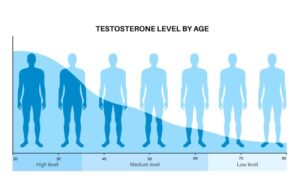
Testosterone decline is one of those topics most men sense before they understand.
Energy isn’t what it used to be.
Workouts feel harder.
Recovery takes longer.
Libido changes — sometimes subtly, sometimes not.
For many men, these changes get brushed off as “just aging.” Others get frustrated after being told everything looks “normal” on basic lab work.
According to Dr. Mourad Abouelleil, a urologist who treats men across Florida, this is one of the most misunderstood areas of men’s health.
Testosterone decline is real.
But the way it’s diagnosed — and treated — matters far more than most men realize.
Most men associate testosterone with libido. That’s part of it — but it’s far from the whole picture.
Testosterone plays a role in:
Dr. Abouelleil often sees men who come in for one complaint — fatigue, weight gain, erectile changes — only to discover testosterone is part of a much bigger picture.
Testosterone decline doesn’t usually hit all at once. It tends to creep in.
Some of the most common symptoms Dr. Abouelleil sees include:
Many men live with these symptoms for years before realizing something hormonal may be contributing.
Dr. Abouelleil spends a lot of time correcting misinformation — especially what men read online.
Myth #1: Low testosterone only affects older men
Not true. While levels naturally decline with age, younger men can also experience clinically significant drops.
Myth #2: One blood test tells the whole story
It doesn’t. Testosterone fluctuates throughout the day. Timing, symptoms, and overall health matter.
Myth #3: Testosterone therapy is unsafe
When improperly prescribed, yes. When medically supervised and personalized, it can be very safe and effective.
Myth #4: Every man with symptoms needs testosterone
Absolutely not. Dr. Abouelleil often treats the cause — not just the number.
One of the reasons patients seek out Dr. Mourad Abouelleil is his measured, medical approach.
Evaluation typically includes:
Testosterone is never looked at in isolation.
That’s where many men go wrong with online clinics or quick-fix approaches.
If testosterone decline is confirmed, treatment isn’t automatically prescribed.
Depending on the patient, Dr. Abouelleil may recommend:
When TRT is considered, it’s done carefully — with ongoing monitoring and attention to prostate health, blood counts, and symptom response.
This is where urologic expertise matters.
Testosterone doesn’t exist in a vacuum.
It directly interacts with:
As a urologist, Dr. Abouelleil is uniquely positioned to manage hormone therapy safely — without overlooking risks or long-term consequences.
Men who start testosterone without proper oversight often end up seeing a urologist later to fix problems that could have been avoided.
One of the most important parts of Dr. Abouelleil’s approach is knowing when not to treat with testosterone.
Symptoms like fatigue or erectile dysfunction may stem from:
In these cases, testosterone therapy alone won’t fix the issue — and may mask the real problem.
There’s no single number. Symptoms, lab trends, and overall health all matter.
Prostate health must be evaluated before and during treatment. That’s why urologist-led care is critical.
It can help when low testosterone is a contributing factor — but ED often has multiple causes.
Not always. Some men require long-term treatment, others do not.
The best option depends on lifestyle, response, and medical factors — not marketing.
Patients choose Dr. Abouelleil because his approach is:
He treats testosterone decline as part of whole-person men’s health, not a quick fix.
If you’re experiencing symptoms that don’t feel like “normal aging,” it may be time to look deeper.
A proper evaluation can bring clarity — and options.
Dr. Mourad Abouelleil
🌐 Website: https://www.urologistflorida.com
📞 Phone: (561) 291-7182
Because feeling better shouldn’t come from guessing — it should come from informed, expert care.
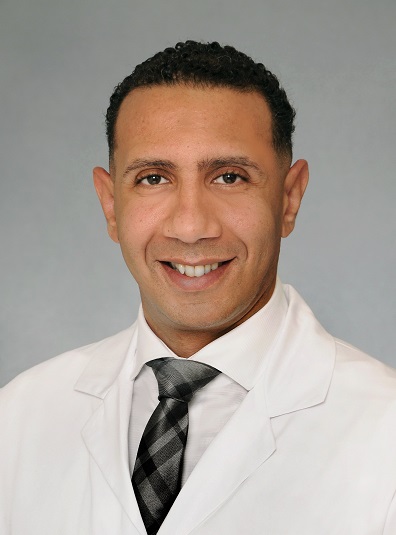
Dr. Mourad Abouelleil is a highly skilled and certified urologist renowned for his commitment to excellence in advanced urological procedures, including robotic prostatectomy and high-intensity focused ultrasound (HIFU). With state-of-the-art technology and extensive experience, Dr. Abouelleil offers personalized treatment plans tailored to meet the unique needs of each patient, ensuring high-quality medical care.
Error: Contact form not found.