
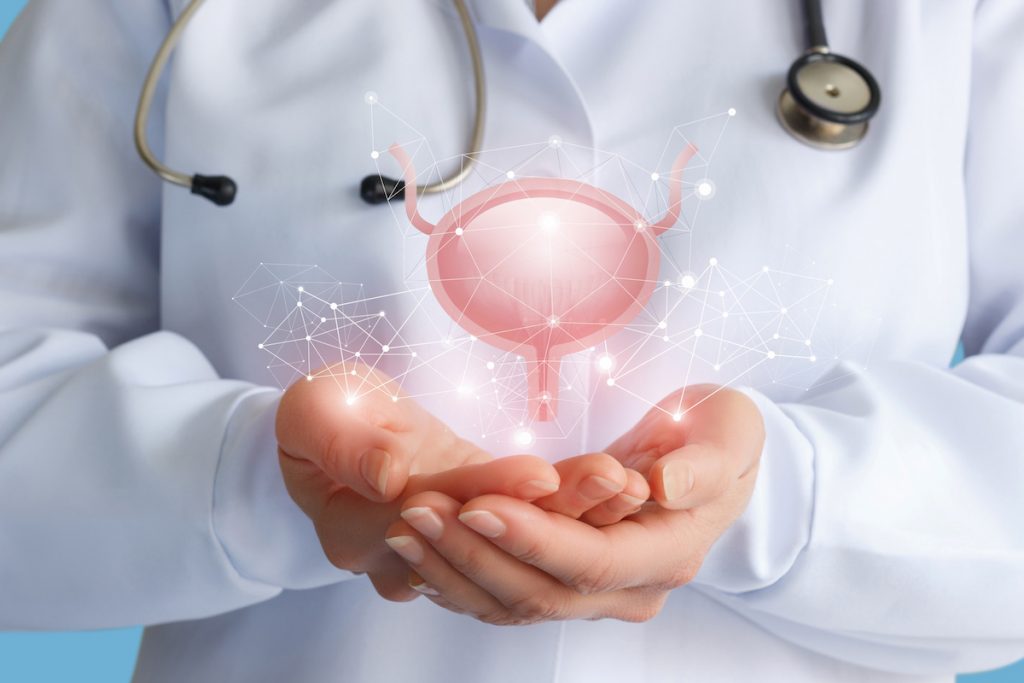
Menopause is a period that every woman has to go through, and, certainly, the changes women face when they experience menopause are never smooth. Every woman has heard a lot about the side effects of menopause, such as hot flashes, moodiness, or an inability to sleep well, but one thing that may not be mentioned to all of us is The Link Between Menopause and Bladder Health: What Every Woman Should Know.
Even something that seems to be normal, like going to the bathroom, becomes difficult after menopause, with frequent urination, leakage, or urgency. Most women do not openly discuss it. But don’t worry, this blog is specifically written for you, where we will learn how menopause impacts the health of the bladder and how you can manage these issues to live a normal life. A small consciousness and proper actions help to make life comfortable and confident.
The most significant alteration with menopause is a decrease in estrogen. The hormone is not only related to reproductive health, but it also maintains the integrity of the lining of the bladder and the urinary tract, which is strong and elastic. With low estrogen levels, the strength and support of the bladder diminish, resulting in increased urination, incontinence, and the need to urinate urgently.
It is not just a physical change. Imagine how difficult it is if you need to use the washroom during a meeting or outing. Also, as people grow older, the pelvic muscles (which hold the bladder) become weaker, and urinary incontinence becomes a more frequent occurrence.
However, the most crucial issue is that these problems are not something inevitable that can be seen as part of the aging process. A lot can be done provided you are aware, you take care at the right time, and you make the right moves to ensure that you boost your bladder health and continue to live a comfortable and secure life during the menopause stage as well.
After menopause, significant changes in bladder health may occur, which can increase the risk of developing bladder cancer. This is primarily based on three factors: hormonal changes, tissue changes, and pelvic floor weakness. Let us know them in detail:
During menopause, the level of estrogen decreases. This hormone maintains the health of the lining of the bladder and urinary tract. As the level of estrogen becomes low, the muscle of the bladder becomes loose and loses control, leading to leakage and frequent urination.
Changes in hormone levels also make vaginal and urethral tissues thin and dry. This dryness not only causes discomfort but also raises the chances of bladder infection. An implication is that even a minor imbalance has a direct disruption to the health of the urinary system.
Pelvic floor muscles tend to become weak due to ageing and a decline in hormone levels. These are the same muscles that support the bladder. When they are weak, leakage of urine (stress incontinence) will be experienced during coughing, sneezing, and even laughing.
Some bladder issues are more prevalent during the menopause stage. You need to know about them, as early awareness will allow you to cope with or prevent them.
Urinary Incontinence: This is one of the conditions where you become liable to urine leakage, particularly when laughing, coughing, or engaging in excessive exercise. Weak pelvic floor muscles and hormonal imbalance are the primary causes. This may seem like a minor issue, yet it can be a significant detail regarding comfort and self-confidence.
Overactive Bladder (OAB): OAB refers to an urge to urinate that is sudden and strong, with or without filling of the bladder. This causes one to use the washroom very often, even at night. This condition disrupts the lifestyle and sleep.
Urinary Tract Infections (UTIs): Post-menopausal tissue becomes thin and dry, which allows bacteria to enter easily and subsequently cause UTIs. Common symptoms include a burning sensation, frequent urination, and pelvic discomfort. Problems need to be handled urgently; otherwise, they may develop into more severe infections.
It is harmful to overlook bladder problems that accompany menopause. The first step is to be aware of the signals of your body so that you can take the necessary action in time. Here are a handful of practical and important tips that will preserve the health of your bladder:
A lot of women drink less because of the fear of leakage; in effect, though, dehydration is worse because it irritates the bladder. Consume sufficient water at regular intervals during the day, but restrict caffeine and alcohol, which stimulate urgency and incontinence.
Kegel exercises are very easy and help to strengthen muscles that support the bladder. By spending a few minutes a day on this, you will be in a position to substantially manage urinary incontinence.
Being overweight exerts an additional stress on the bladder. Reducing the risk of leakage can be achieved by maintaining a balanced diet and doing regular physical exercise to help control your weight.
Tissue Cits after menopause is quite common, so it is necessary to monitor intimate hygiene and airy cotton underwear. Active care reduces the risk of infection by a significant percentage.
Do not dismiss bladder problems as being a part of normal aging. When leakage, pain, or frequent urination is bothering a person, it is always a good idea to consult a doctor to lead a healthy life and have a more confident one as well.
Bladder health is directly dependent on your comfort and self-confidence. Menopause is a normal stage, but with awareness and proactive care, you can adapt to your body in a positive way.
Every woman must go through the menopausal phase, and the changes that occur during this time are undoubtedly difficult. Every woman has heard a lot about the negative effects of menopause, like mood swings, hot flashes, and trouble sleeping, but The Link Between Menopause and Bladder Health: What Every Woman Should Know is something that might not be familiar to all of us.

Dr. Mourad Abouelleil is a highly skilled and certified urologist renowned for his commitment to excellence in advanced urological procedures, including robotic prostatectomy and high-intensity focused ultrasound (HIFU). With state-of-the-art technology and extensive experience, Dr. Abouelleil offers personalized treatment plans tailored to meet the unique needs of each patient, ensuring high-quality medical care.
Error: Contact form not found.