
Benign Prostatic Hyperplasia (BPH) is one of the most common conditions in men as they age. Are you struggling with weak urine flow, frequent urination, or interrupted sleep due to an enlarged prostate? Transurethral Resection of the Prostate (TURP) is the most reliable procedure for long-term relief. We will provide everything you need to know about TURP BPH Treatment West Palm Beach.
Benign Prostatic Hyperplasia (BPH) refers to the non-cancerous enlargement of the prostate gland, located below the bladder and surrounding the urethra. Some common risk factors of BPH include:
Here are some of the key symptoms of BPH, including:
TURP is a minimally invasive treatment procedure that is designed specifically to relieve symptoms caused by prostate enlargement. It is one of the most effective treatment procedures ideal for moderate to severe BPH, especially when medications do not work.
1. Preoperative preparation: Patients may undergo blood tests, urinalysis, and electrocardiograms (ECGs) to determine surgical health. Before the procedure, Dr. Abouelleil will provide detailed instructions about the medications they should take, modifications they
should make, and fasting instructions.
2. During the procedure: Generally, TURP takes place under regional or general anesthesia. Resectoscopes are used to enter the bladder through the urethra. With a small electric loop, the enlarged prostate tissue is resected into small chips and removed.
3. Duration: The procedure will take 60 to 90 minutes, depending on the prostate size.
4. Hospital stay: Within 1 to 2 days, patients are typically discharged from the hospital, and to help drain the bladder, a urinary catheter is placed for a short period.
You are a suitable candidate for TURP if you follow the criteria below:
After surgery, most patients start to feel better within a few days to weeks after surgery.
What to expect after surgery:
Timeline for recovery:
Follow-up appointments are crucial to monitor the recovery progress after TURP surgery. Expert urologists, such as Dr. Abouelleil, provide each patient with detailed aftercare instructions to allow for a smooth recovery.
Significant Enhancement in Urine Flow: TURP alleviates urethral obstruction by removing excess prostate tissue, resulting in a noticeably improved urine stream.
Quick Resolution of Symptoms: Most patients quickly find relief from bothersome symptoms such as frequent urination, urgent urination, delayed urination, and a sensation of incomplete bladder emptying.
Long-Term Results: The procedure’s results are usually long-lasting, and many men report resolution of symptoms after 15 years or more.
Minimally Invasive: The procedure is done through the urethra using a resectoscope, so that no cuts or incisions are needed to the abdomen, which decreases the usual postoperative pain and time to recover compared to traditional open surgery.
High Success Rate: The procedure has a very high success rate. In several studies, the success rate in improving urinary symptoms is 80-90%.
Decreased Risk of Complications: By alleviating obstruction to normal urine flow, TURP can reduce the risk of complications such as recurrent urinary tract infections, bladder stones, and kidney or bladder injury.
Improved Quality of Life: TURP can significantly enhance a patient’s quality of life by relieving persistent and troublesome urinary symptoms.
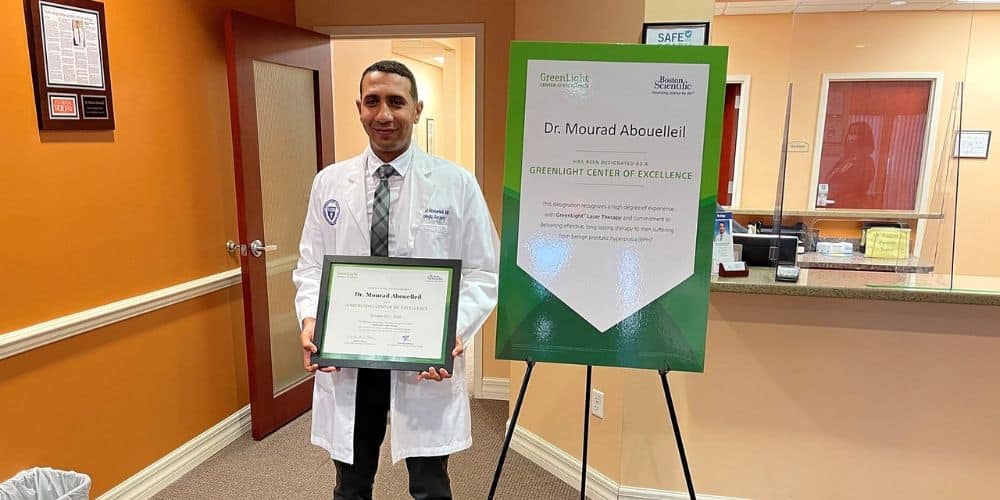
Dr. Mourad Abouelleil is one of the well-renowned urologists and an expert in urologic surgeries, including TURP. With a patient-centered approach, he is committed to providing personalized treatment plans and individualized postoperative medical care. Here are some key reasons to choose Dr. Mourad Abouelleil for TURP in West Palm Beach.
Answer. TURP is usually recommended if you are experiencing severe urinary issues such as retention or frequent nighttime urination or when medications do not relieve symptoms.
Answer. Most of the patients recover within 2 to 4 weeks after surgery. Limit physical activities and avoid exercising and heavy lifting during this period.
Answer. Like any surgery, TURP also carries risks such as bleeding, infection, or temporary urinary incontinence, which are rare and manageable.
Answer. Compared to other treatments, TURP is effective for moderate to severe BPH symptoms and often provides long-term relief.
Answer. TURP is called Transurethral Resection of the Prostate, which is used to remove excess prostate tissue blocking urine flow to relieve BPH symptoms.
Answer. Most of the TURP procedures typically take about 60 to 90 minutes, depending on factors such as the prostate size and complexity.
Answer. Some of the common side effects of TURP include temporary burning, blood in urine, or retrograde ejaculation, while some serious complications are rare.
Answer. Most patients resume normal light activities within a week, but strenuous activities should be avoided for 4 to 6 weeks.
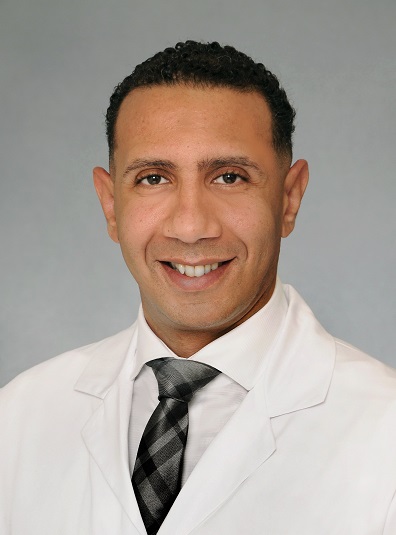
Dr. Mourad Abouelleil is a highly skilled and certified urologist renowned for his commitment to excellence in advanced urological procedures, including robotic prostatectomy and high-intensity focused ultrasound (HIFU). With state-of-the-art technology and extensive experience, Dr. Abouelleil offers personalized treatment plans tailored to meet the unique needs of each patient, ensuring high-quality medical care.
Error: Contact form not found.