
Bladder leakage affects millions of Americans, yet it remains one of the most under-discussed health concerns. Many people suffer in silence, assuming it’s an inevitable part of aging or that nothing can be done. Neither assumption is true.
This year’s Urology Awareness Month 2025 theme—“Bladder Leakage: Time to Act”—emphasizes an important message: urinary incontinence is a treatable medical condition, not something you simply have to accept.
Urinary incontinence occurs when bladder control becomes compromised, leading to involuntary urine leakage. While it becomes more common with age, it’s not a normal consequence of getting older. Several specific factors contribute to bladder leakage:
Pregnancy, childbirth, surgery, and age-related changes can weaken the muscles supporting the bladder and urethra. When these muscles can’t maintain proper pressure, stress incontinence develops, causing leakage during physical activities like coughing, sneezing, or exercising.
This condition causes sudden, intense urges to urinate that may result in leakage before reaching the bathroom. The bladder muscle contracts involuntarily, creating urgency that’s difficult to control.
Men experiencing prostate enlargement (benign prostatic hyperplasia, or BPH) or those who’ve undergone prostate surgery often develop incontinence. The prostate surrounds the urethra, so changes to this gland can affect urinary control.
Diseases affecting nerve signals between the brain and bladder—such as Parkinson’s disease, multiple sclerosis, or stroke—can disrupt normal bladder function.
Obesity, chronic constipation, smoking, and excessive caffeine or alcohol consumption can exacerbate incontinence symptoms. Certain medications may also contribute to bladder control issues.
Understanding the underlying cause is crucial for effective treatment. The U.S. urinary incontinence therapeutics market is projected to reach $2.41 billion by 2033, reflecting both the condition’s prevalence and the growing demand for effective solutions.
Bladder leakage extends far beyond physical symptoms. Research demonstrates that urinary incontinence significantly impacts quality of life across multiple dimensions:
Fear of accidents leads many people to avoid restaurants, social gatherings, travel, and public events. The constant concern about bathroom access can become mentally exhausting.
Exercise can become challenging for those with stress incontinence. Swimming, running, tennis, and group fitness classes may feel off-limits, potentially contributing to decreased physical activity and fitness.
Nocturia, or frequent nighttime urination, can severely impact sleep quality. Waking multiple times each night may contribute to chronic fatigue, affecting work performance, mood, and overall health.
Many people experience embarrassment, anxiety, depression, and diminished self-esteem. The psychological burden can be as significant as the physical symptoms.
Intimacy concerns and reluctance to discuss bladder control problems with partners can create distance and strain relationships.
For Miami residents who embrace an active, outdoor lifestyle—from beach activities and water sports to outdoor dining—these limitations can feel particularly restrictive. The vibrant South Florida culture celebrates vitality and social engagement, making incontinence-related isolation even more challenging.
Many people delay seeking treatment because of embarrassment or the mistaken belief that incontinence is untreatable. However, early evaluation can help identify the underlying cause and determine appropriate treatment options.
Consider consulting a urologist if you experience:
The key principle: if bladder leakage is affecting your quality of life, it warrants professional evaluation. You don’t need to wait until symptoms become severe.
Modern urology offers comprehensive treatment approaches, typically progressing from conservative measures to more advanced interventions based on the individual’s condition, symptoms, overall health, and treatment goals.
Bladder training establishes scheduled bathroom visits and can help improve bladder control. Fluid management and dietary adjustments—particularly reducing caffeine and alcohol—may also help reduce symptoms in some people.
Properly performed Kegel exercises can strengthen the muscles supporting the bladder and urethra. Consistency is important, and improvement may take several weeks. A healthcare professional or pelvic floor physical therapist can help ensure the exercises are being performed correctly.
Specialized pelvic floor physical therapy teaches proper muscle engagement, coordination, and relaxation. It can be particularly beneficial for certain types of incontinence, including symptoms that develop after pregnancy, childbirth, or pelvic surgery.
Various prescription medications may be used depending on the type of urinary incontinence. Some medications can help relax an overactive bladder, reduce urgency, or improve bladder storage capacity. Your physician can determine which medication, if any, is appropriate for your symptoms.
For certain patients with overactive bladder who do not respond adequately to oral medications, bladder Botox injections can help relax the bladder muscle and reduce urgency and frequency. The effects are temporary and may require repeat treatment.
The UroLift System is a minimally invasive treatment for certain men with benign prostatic hyperplasia (BPH). The procedure uses small implants to lift and hold enlarged prostate tissue away from the urethra, helping improve urine flow without cutting or removing prostate tissue. Patient suitability depends on prostate anatomy and individual circumstances.
TURP is an established surgical treatment for BPH. During the procedure, excess prostate tissue that is obstructing urine flow is removed, helping improve urinary symptoms in appropriate patients.
Sacral neuromodulation and other nerve stimulation therapies can regulate nerve signals between the bladder and nervous system. These treatments may be considered for certain patients with urgency-related bladder symptoms when conservative treatments and medications have not provided adequate relief.
Treatment selection depends on the type and severity of incontinence, overall health, underlying conditions, and individual goals. Working with an experienced urologist can help ensure an appropriate evaluation and personalized treatment plan.
Board-certified urologist Dr. Mourad Abouelleil brings extensive expertise in treating urinary incontinence and related urological conditions throughout South Florida. With over 3,000 surgeries performed, Dr. Abouelleil combines advanced technical skills with a patient-centered approach to care.
Dr. Abouelleil treats a broad range of conditions that may contribute to urinary symptoms, including benign prostatic hyperplasia (BPH), overactive bladder, bladder cancer, pelvic floor dysfunction, and post-surgical incontinence. His comprehensive approach supports accurate diagnosis and individualized treatment planning.
Utilizing advanced techniques, including robotic-assisted procedures with the da Vinci Surgical System when appropriate, Dr. Abouelleil offers minimally invasive treatment options designed to reduce surgical trauma and support recovery.
Every patient receives a thorough assessment that may include a detailed medical history, physical examination, and appropriate diagnostic testing. Dr. Abouelleil takes time to understand how urinary symptoms affect each patient’s lifestyle, activities, and personal goals.
With expertise in procedures such as UroLift, TURP, and other advanced urological treatments, Dr. Abouelleil provides treatment options for patients whose symptoms have not adequately responded to conservative measures.
As part of the Palm Beach Health Network urology team, with privileges at Good Samaritan Medical Center and Palm Beach Gardens Medical Center, Dr. Abouelleil provides patients with access to established medical facilities and collaborative care.
Bladder leakage doesn’t have to limit your lifestyle or diminish your quality of life. Effective treatment options are available, and seeking professional evaluation is an important first step toward better bladder control and confidence.
Schedule a consultation with Dr. Mourad Abouelleil to discuss your symptoms and explore appropriate treatment options.
During your visit, you can expect:
This Urology Awareness Month 2025, embrace the theme “Bladder Leakage: Time to Act.” Whether your goal is enjoying Miami’s beaches without worry, sleeping through the night, staying active, or simply regaining confidence in daily activities, speaking with a qualified urologist can help you understand your options.
Contact Dr. Abouelleil’s office today at (561) 291-7182 or visit urologistflorida.com to schedule a consultation.
Dr. Mourad Abouelleil is a board-certified urologist serving West Palm Beach, Miami, and surrounding South Florida communities. He specializes in urinary incontinence, benign prostatic hyperplasia (BPH), kidney stones, prostate cancer, and comprehensive urological care. Dr. Abouelleil has performed over 3,000 surgeries using advanced minimally invasive and robotic techniques.
He is affiliated with Palm Beach Health Network, Good Samaritan Medical Center, and Palm Beach Gardens Medical Center.
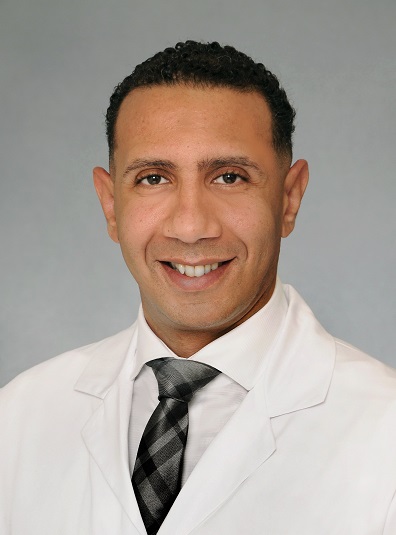
Dr. Mourad Abouelleil is a highly skilled and certified urologist renowned for his commitment to excellence in advanced urological procedures, including robotic prostatectomy and high-intensity focused ultrasound (HIFU). With state-of-the-art technology and extensive experience, Dr. Abouelleil offers personalized treatment plans tailored to meet the unique needs of each patient, ensuring high-quality medical care.
Error: Contact form not found.