
For most men, the prostate cancer journey starts with a PSA test and a biopsy.
But before any real surgical decisions are made, there’s another step that quietly shapes everything that comes next: imaging.
Patients often assume scans are just there to “confirm” what’s already known.
In reality, imaging does much more than that.
At Dr. Mourad Abouelleil’s practice in Florida, imaging is one of the most important tools for deciding whether surgery is necessary, how it should be done, and what risks need to be planned for ahead of time.
A biopsy tells us cancer exists.
Imaging tells us where it is, how far it goes, and what it’s close to.
That difference matters.
Before prostate surgery, imaging helps answer questions patients don’t always think to ask:
Dr. Abouelleil uses imaging not as a formality, but as a decision-making tool — one that helps avoid both under-treatment and unnecessary harm.
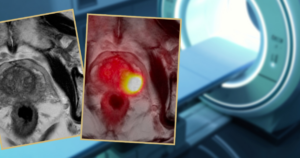
The most valuable imaging study before surgery is typically a multiparametric prostate MRI.
This scan gives detailed information about:
For Dr. Abouelleil, MRI findings often guide how aggressive surgery needs to be — and just as importantly, where caution is possible.
Two patients with the same PSA and biopsy score can have very different surgical plans once imaging is reviewed.
This is where honest medicine matters.
Imaging is powerful, but it’s not perfect.
MRI can:
MRI cannot:
Dr. Abouelleil makes this clear early. Imaging improves decision-making, but surgery still requires real-time judgment in the operating room.
One of the most common concerns men have before prostate surgery is sexual function.
Imaging plays a major role here.
If cancer is:
Dr. Abouelleil uses imaging to balance oncologic safety with functional preservation, rather than guessing or applying the same approach to every patient.
This individualized planning is one reason patients seek out experienced urologists instead of relying on standardized recommendations.
Not every prostate cancer diagnosis leads to surgery.
In some cases, imaging supports:
Dr. Abouelleil frequently reviews imaging with patients to explain why surgery is recommended — or why it isn’t.
That clarity helps patients feel confident instead of rushed.
Reading an MRI report is one thing.
Using it to guide surgery is another.
Dr. Abouelleil combines imaging findings with:
This layered approach prevents overreaction to a single scan and avoids underestimating disease that looks “quiet” on paper.
Dr. Abouelleil often corrects these assumptions:
Imaging is a guide, not a verdict.
Not always, but it is strongly recommended in most cases to improve surgical planning.
Yes. Small or low-grade cancers may not always appear clearly, which is why imaging is combined with biopsy and clinical data.
Not necessarily. Treatment decisions depend on multiple factors, not imaging alone.
It helps assess risk, but recovery depends on age, baseline function, nerve preservation, and healing.
Sometimes, especially if there has been a long delay or changes in PSA.
Imaging doesn’t make decisions on its own.
Doctors do.
At Dr. Mourad Abouelleil’s practice, imaging is used to inform smarter, safer, and more personalized surgical care, not to follow a script.
The goal is never just removing the prostate.
It’s removing cancer without unnecessary collateral damage.
If you’ve been diagnosed with prostate cancer and want a clear, honest explanation of what your imaging means — and how it affects treatment decisions — a consultation is the next step.
Dr. Abouelleil focuses on:
🌐 Website: https://www.urologistflorida.com
📞 Phone: (561) 291-7182
During your visit, you can expect:
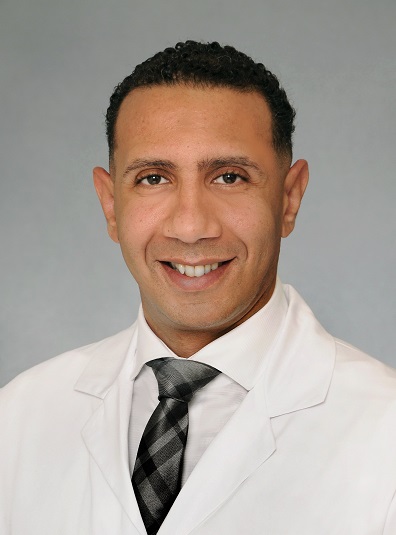
Dr. Mourad Abouelleil is a highly skilled and certified urologist renowned for his commitment to excellence in advanced urological procedures, including robotic prostatectomy and high-intensity focused ultrasound (HIFU). With state-of-the-art technology and extensive experience, Dr. Abouelleil offers personalized treatment plans tailored to meet the unique needs of each patient, ensuring high-quality medical care.
Error: Contact form not found.